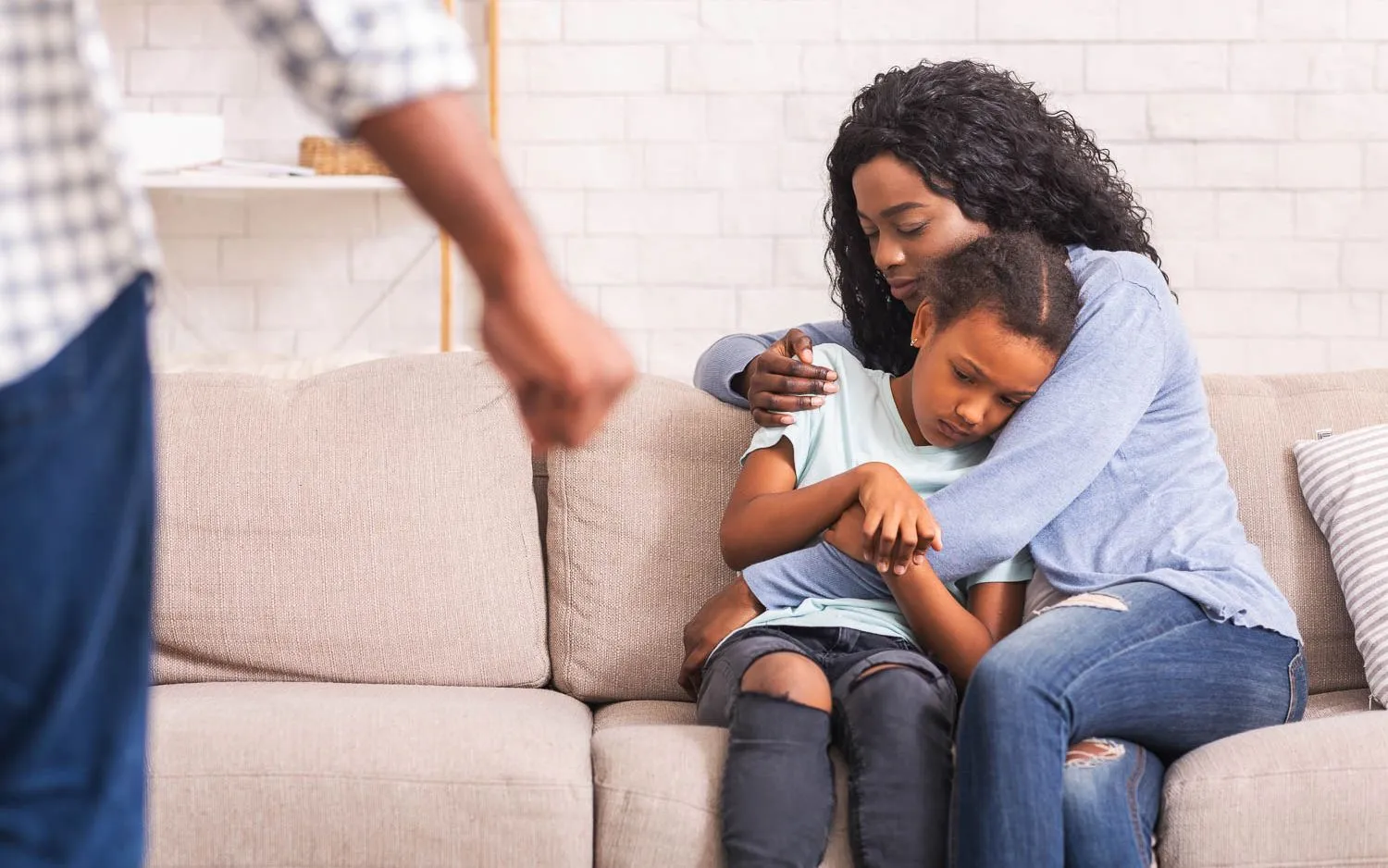
Yes. Florida's "Victim Safety in Pretrial Release Act," passed as CS/CS/HB 397 and signed into law as Chapter 2026-155, took effect on October 1, 2026. It created Florida Statute 903.0472, which makes it a first-degree misdemeanor to willfully violate a court's no-contact order while on pretrial release after an arrest for a listed violent offense, such as battery, assault, stalking, sexual battery, or robbery. A second or subsequent violation is a third-degree felony. Police can arrest for a suspected violation without a warrant, and the person must be held in jail until first appearance.
Key Takeaways
- The new crime is in Florida Statute 903.0472 and applies to no-contact conditions imposed under section 903.047(1)(b).
- It covers people out on bond for murder, manslaughter, assault, aggravated assault, battery, aggravated battery, stalking, aggravated stalking, kidnapping, false imprisonment, sexual battery, lewd offenses involving children under 16, robbery, written or electronic threats, and any other violent felony.
- A first violation is a first-degree misdemeanor (up to one year in jail). A second or later violation is a third-degree felony (up to five years in prison).
- Anyone arrested for a violation, and anyone on bond for a listed offense who is arrested for any new crime, stays in custody until first appearance.
- "No contact" includes texts, calls, social media, and messages sent through friends or relatives, as well as coming within 500 feet of the protected person's home, car, or workplace.
What HB 397 (Victim Safety in Pretrial Release Act) Changes
Before October 1, 2026, violating a pretrial no-contact order in most Florida cases was not a separate crime. It was grounds for the judge to revoke bond under section 903.0471 and send the person back to jail, but prosecutors could not file a new charge for the violation itself. The House staff analysis of the bill puts it plainly: a violation of pretrial release "is generally not a separate criminal offense."
The one major exception was domestic violence and dating violence cases. Under Florida Statute 741.29(7) and section 784.046(15), willfully violating a pretrial release condition after a domestic or dating violence arrest was already a first-degree misdemeanor, and the person had to be held until first appearance. Section 901.15(13) already allowed warrantless arrest in those cases. HB 397 takes that domestic violence model and extends it to a much longer list of violent offenses, whoever the alleged victim is.
CS/CS/HB 397, sponsored in the House by Representative Daley with an identical Senate companion (SB 760), passed the House 101 to 8 and the Senate 37 to 0. The Governor approved it on June 16, 2026, and it became Chapter 2026-155, Laws of Florida, effective October 1, 2026.
The Four Parts of the New Law
The act does four things:
- Creates a new offense. Under new Florida Statute 903.0472, a person commits a first-degree misdemeanor by willfully violating a no-contact condition imposed after an arrest for a listed offense. A second or subsequent violation is a third-degree felony.
- Requires custody until first appearance. A person arrested for the new offense, or a person on pretrial release for a listed offense who is arrested for any new law violation, must be held until first appearance.
- Tells judges what to weigh. At first appearance, the court must prioritize victim and public safety and consider, in addition to the usual bail criteria, the seriousness of the original offense, the person's history of complying with court orders, and any evidence of intent to intimidate, harass, or harm anyone.
- Expands warrantless arrest and limits officer liability. A new subsection (17) of section 901.15 lets officers arrest without a warrant on probable cause of a violation, and officers cannot be held civilly liable for such an arrest based on probable cause.
What the Law Does Not Change
The act does not change how a no-contact order is issued or what it prohibits. Those rules remain in section 903.047. It also does not remove the judge's existing power to revoke bond. A single act of contact can now lead to both a new charge and revocation of release on the original case.
How It Fits With the Domestic Violence Statute
For someone arrested for domestic battery, a violation of a no-contact order can now fall under two statutes at once: the older section 741.29(7) and the new section 903.0472. Both grade a first violation as a first-degree misdemeanor. The difference is what happens next. Section 741.29(7) has no repeat-offense step, while section 903.0472(2) makes a second or subsequent violation a third-degree felony. For people with a domestic case and a history of alleged violations, that felony tier is the real change.
Which Charges Trigger It: Battery, Stalking, Sex Offenses
The new crime only applies when the no-contact order was imposed after an arrest for one of the offenses listed in section 903.0472(1). The list is broad.
- Homicide: Murder (782.04), manslaughter (782.07).
- Assault and battery: Assault (784.011), aggravated assault (784.021), battery (784.03), aggravated battery (784.045).
- Stalking: Stalking (784.048(2)), aggravated stalking (784.048(3), (4), (5), or (7)).
- Restraint: Kidnapping (787.01), false imprisonment (787.02).
- Sex offenses: Sexual battery (794.011), lewd or lascivious offenses on or in the presence of a child under 16 (800.04).
- Other: Robbery (812.13), written or electronic threats to kill or do bodily injury (836.10), any other felony involving the use or threat of physical force or violence.
Battery Cases
Simple battery under section 784.03 is one of the most common arrests in South Florida, and it is on the list. That means a bar fight, a dispute with a neighbor, or an argument with a roommate that leads to a battery arrest and a no-contact order is now covered. Domestic battery is also charged under section 784.03, so the new statute's list reaches most domestic violence battery cases as well, alongside the existing domestic violence provision in section 741.29(7).
Stalking and Threat Cases
Stalking cases and threat cases under section 836.10 often begin with messages, so the no-contact order in those cases is usually aimed at communication. Those are the cases where a single text or comment is most likely to be treated as a new crime.
Sexual Battery and Lewd Offense Cases
Sexual battery under section 794.011 and lewd or lascivious offenses under section 800.04 are both listed. In these cases a no-contact order may name people other than the accuser, such as a parent or sibling. Section 903.047 defines "no contact" to cover "the victim or any other person named in the order," so contact with any named person can be charged, not only contact with the accuser.
Who Is Not Covered
A no-contact condition imposed after an arrest for an offense that is not on the list, such as a nonviolent theft or drug charge, does not trigger section 903.0472. Violating that order can still lead to bond revocation under section 903.0471.
Warrantless Arrest and No Release Before First Appearance
Two procedural changes give the new law much of its force.
Warrantless Arrest
Florida Statute 901.15 lists when an officer may arrest without a warrant. For most misdemeanors, the offense must be committed in the officer's presence, unless a statute specifically allows otherwise. HB 397 added subsection (17), which authorizes a warrantless arrest when there is probable cause to believe the person violated section 903.0472(1). In practice, an officer who receives a report and screenshots from the protected person can make an arrest without first getting a warrant from a judge.
The act also adds section 903.0472(4): an officer cannot be held liable in any civil action for an arrest based on probable cause to believe the person violated the new section. Lawmakers removed a reason an officer might hesitate, so people on bond should expect that a credible report will lead to an arrest.
Held Until First Appearance
Under section 903.0472(3), two groups must be held in custody until first appearance:
- A person arrested for violating section 903.0472.
- A person on pretrial release for any listed offense who is arrested for committing any new law violation, even one unrelated to the protected person.
That means no release on a standard bond schedule from the jail. Under Florida Rule of Criminal Procedure 3.130, an arrested person must be brought before a judge within 24 hours. At that hearing the judge reviews the alleged violation and decides whether to order pretrial detention or grant release with conditions. Our guide to what happens at Broward first appearance court walks through that hearing step by step.
What the Judge Considers
The judge must prioritize the safety of the victim and the public and must consider:
- The criteria in Florida Statute 903.046(2), including the nature of the charge, the weight of the evidence, family ties, employment, and past conduct.
- The nature and severity of the underlying offense.
- The person's history of complying with court orders.
- Any evidence of intent to intimidate, harass, or harm any person.
Two Cases at Once
After an arrest for a violation, a defendant typically faces two proceedings: the new charge under section 903.0472, and a motion or hearing on revoking release in the original case. A judge who finds probable cause of a new crime while on pretrial release may revoke release and order detention under section 903.0471.
Texts, Social Media and Third-Party Contact
Many violations are not face-to-face. They are a text sent late at night, a comment on a post, a message passed through a friend, or a drive past a house. Florida's definition of "no contact" covers all of them.
What "No Contact" Means Under Section 903.047
Unless the judge specifies otherwise, Florida Statute 903.047 defines a no-contact order to prohibit:
- Communicating orally or in any written form, either in person, by phone, electronically, or in any other manner, directly or indirectly through a third person, with the victim or any other person named in the order.
- Having physical or violent contact with the victim or other named person, or his or her property.
- Being within 500 feet of the protected person's residence, even if the defendant and the protected person share the residence.
- Being within 500 feet of the protected person's vehicle, place of employment, or a specified place the person regularly frequents.
The order is effective immediately and lasts for the duration of pretrial release or until a judge modifies it. The defendant must be told about it in writing before release.
Common Ways People Violate Without Meaning To
- Replying to a message the protected person sent first. Their contact does not authorize yours.
- Liking, commenting on, or reacting to their social media posts, or tagging them.
- Asking a mutual friend or relative to "pass along" an apology or a request.
- Sending money, gifts, or flowers.
- Returning home to pick up belongings without a law enforcement escort or court permission.
- Showing up at a child's game or school event where the protected person is present.
What Is Still Allowed
The statute includes two important exceptions. If the defendant and the victim have children in common, the court may, at the defendant's request, designate an appropriate third person to contact the victim for the sole purpose of facilitating contact with the children. And the order does not prevent the defendant's attorney from communicating with a protected person for lawful purposes, consistent with the rules regulating The Florida Bar.
"Willfully" Matters
The new crime requires a willful violation, and the State must prove it. An accidental encounter at a grocery store, a pocket-dial, or a message someone else sent from a shared account may support a defense. But "I didn't think a text counted" is unlikely to help, because the defendant must be told about the order in writing before release, with the prohibited acts listed.
How to Protect Your Bond While Your Case Is Pending
The safest assumption is that any contact, in any form, will be reported and will lead to an arrest. These steps protect your freedom while your case moves forward.
Practical Steps
- Read your release paperwork and ask your lawyer exactly who is named and what distances apply.
- Block the protected person on your phone and every social media platform, and do not unblock them.
- Do not ask anyone to deliver a message, even a kind one.
- Arrange to collect belongings through counsel or with a law enforcement escort.
- If you share children, ask the court to designate a third person for child-related communication.
- Keep a simple log if the protected person contacts you, and give it to your lawyer instead of responding.
- Avoid any new arrest of any kind. On a listed offense, even an unrelated new charge means you stay in jail until first appearance.
Asking the Court to Modify the Order
If the order prevents you from living in your home, seeing your children, or going to work, the answer is a motion to modify it, not informal contact. Under section 903.047(2), the defense can ask for a modification when bail is set or by a later properly noticed motion, and the judge may modify the no-contact condition if good cause is shown and the interests of justice require it. The alleged victim has the right to be heard at that hearing, and the state attorney must notify the victim that the request is pending.
Our article on whether a South Florida no-contact order can be modified explains how that process works in practice. Even if the protected person wants contact, only the judge can change the order. Until a written order says otherwise, the original terms control.
If You Are Arrested for a Violation
Do not explain the contact to the officer. The arrest is for a new charge, and statements will be used in both cases. Ask for a lawyer, and let counsel prepare for first appearance with evidence of your compliance history, ties to the community, and any proof that the contact was not willful.
Example Scenarios
These examples are illustrations, not results from any specific case.
A Text After a Battery Arrest
A man in Fort Lauderdale is arrested for simple battery after an argument with a coworker outside a restaurant. He is released with a no-contact order. A week later, after October 1, he texts the coworker an apology. Because battery is a listed offense, that text can be charged as a first-degree misdemeanor under section 903.0472, and he must be held until first appearance.
A Message Through a Sibling in a Stalking Case
A woman in Palm Beach County is on bond for stalking. She asks her sister to tell the protected person that she "just wants to talk." The no-contact definition covers indirect contact through a third person, so the message can support a new charge. A second violation would be a third-degree felony.
An Unrelated New Arrest
A man in Miami-Dade on pretrial release for aggravated assault is arrested for driving on a license he knew was suspended. Even though the new charge has nothing to do with the protected person, section 903.0472(3) requires that he be held until first appearance, where the judge will decide whether to revoke release on the assault case.
Frequently Asked Questions
Does HB 397 apply to contact before October 1, 2026?
The act took effect October 1, 2026, so the new offense reaches violations committed on or after that date. Contact before October 1 is not a crime under section 903.0472, though it can still be grounds for bond revocation under section 903.0471, and in a domestic or dating violence case it could already be charged under the older statutes.
Is this the same as violating a restraining order or injunction?
No. A pretrial no-contact order is a condition of bond in a criminal case. A civil injunction for protection is a separate court order with its own violation statutes.
What if the alleged victim contacts me first?
You still must not respond. The order restricts you, not the protected person, and responding can be treated as a willful violation.
Can my lawyer talk to the alleged victim?
Yes. The statute states that a no-contact order does not prohibit the defendant's attorney from communicating with a protected person for lawful purposes, consistent with Florida Bar rules.
Can a police officer be sued for a mistaken arrest under the new law?
Not if the arrest was based on probable cause. Section 903.0472(4) bars civil liability for an arrest based on probable cause to believe the person violated the section.
What is the penalty for a violation?
A first violation is a first-degree misdemeanor, punishable by up to one year in jail and a $1,000 fine. A second or subsequent violation is a third-degree felony, punishable by up to five years in prison and a $5,000 fine.
Staying Free While You Fight the Original Charge
The Victim Safety in Pretrial Release Act turns what used to be a bond problem into a new criminal case, and it removes the option of bonding out quickly after an arrest. For anyone on pretrial release for a violent offense in South Florida, understanding the order and following it exactly is now as important as the defense of the original charge.
Rossen Law Firm was founded in 2008 by a former Broward County prosecutor, and we defend people across Broward, Palm Beach, and Miami-Dade. Our domestic violence defense team, our assault and battery defense lawyers, and our Fort Lauderdale domestic battery lawyers help clients understand their release conditions, seek modifications when an order is unworkable, and respond quickly when a violation is alleged. For background on bond in these cases, see our guide to domestic violence bail bonds in Florida. We answer 24/7, and our case evaluations are free and confidential.