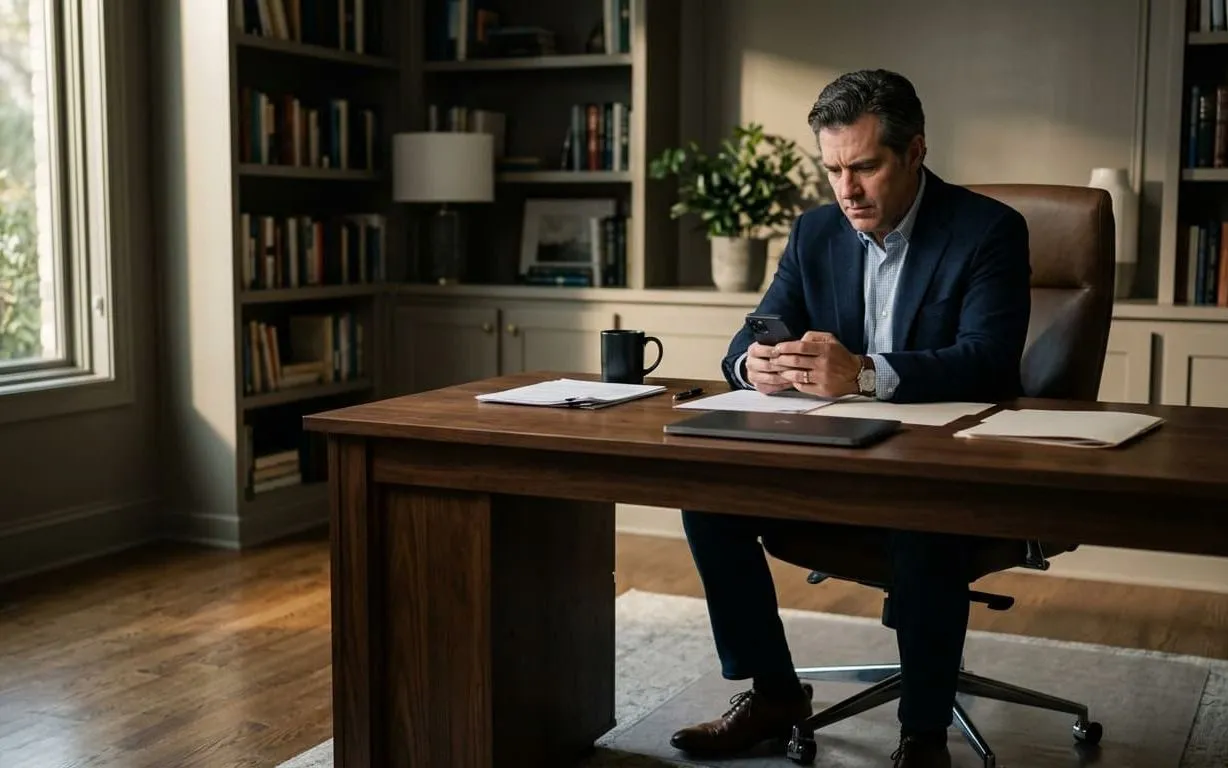
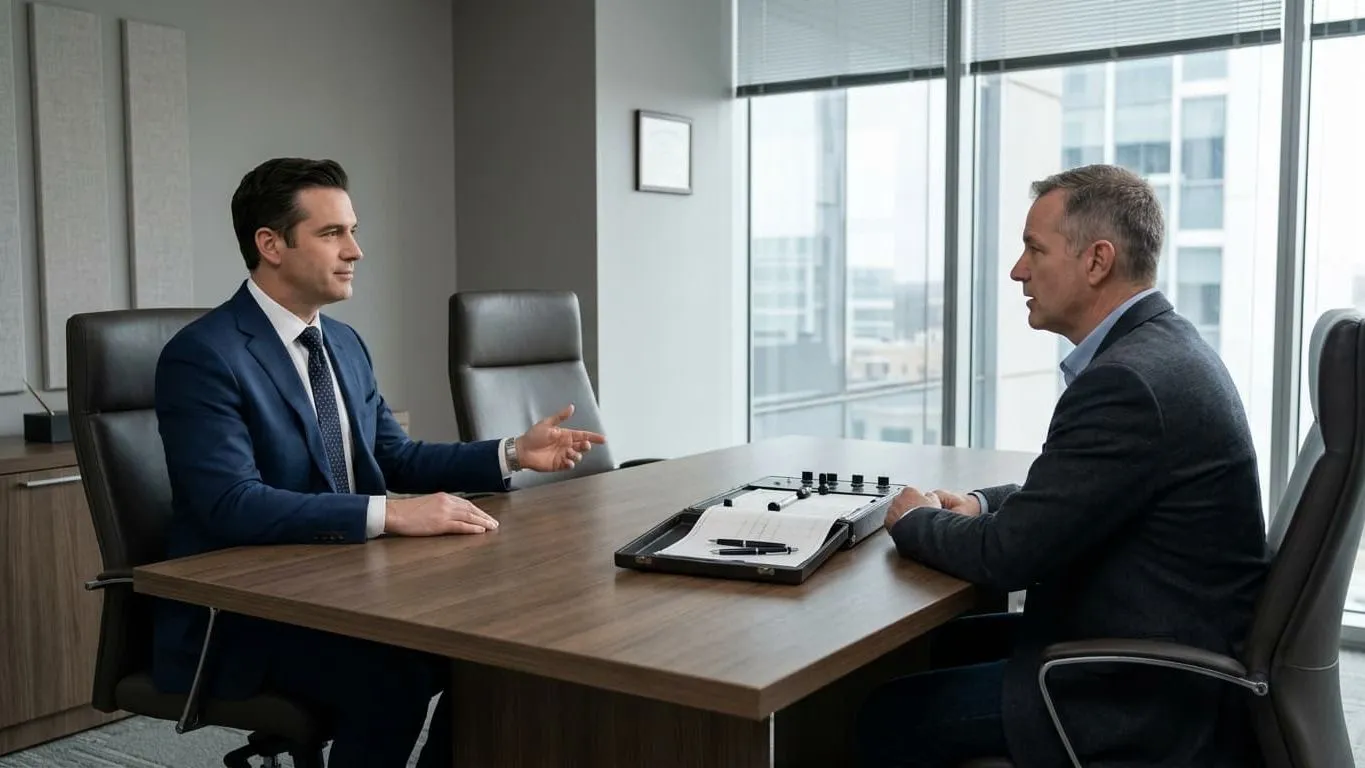
The polygraph results themselves generally cannot be used against you in a Florida courtroom, but that protection is far narrower than most people assume, and it should never be mistaken for a reason to say yes when an investigator asks you to take one. Florida courts have long held that polygraph results are inadmissible because the science behind them has never been proven reliable enough to satisfy judicial standards. What is admissible, however, is almost everything you say before, during, and after the exam, as well as how an investigator chooses to characterize your results once the machine is turned off.
For a professional facing an investigation, a licensed provider under scrutiny, or anyone with a career and family counting on the outcome, this distinction is not a technicality. It is often the single decision that determines whether an investigation quietly closes or escalates into formal charges. Research reviewed by the National Academy of Sciences found that polygraph testing correctly identifies deception at rates hovering around 70 percent under controlled conditions, with false-positive rates in some studies as high as 75 percent. Agreeing to a test built on that level of uncertainty, simply to appear cooperative, can put an innocent person’s future in the hands of a machine that was never built to protect them.
Facing a Voluntary Polygraph Request in a South Florida Investigation
Investigators in South Florida frequently ask people to take a polygraph early in an investigation, often before any charges have been filed, framing it as a routine step or even as an opportunity to clear your name. At Rossen Law Firm, this is one of the most common calls we receive from professionals who sense that something feels off about the request but are unsure whether declining will make them look guilty.
Important facts to understand before responding to any polygraph request include:
- Taking a polygraph is voluntary in almost every non-employment context; you cannot generally be compelled to submit to one
- The test itself is not evidence of guilt or innocence in the eyes of the law, regardless of the outcome
- Investigators are legally permitted to misrepresent your results to pressure a confession
- Anything you say during the pretest interview or after the exam can be used against you, even if the results themselves cannot
Understanding these facts before agreeing to anything changes the entire calculus of the decision.
Are Lie Detector Results Admissible in a Florida Court?
Florida law is clear and has been consistent for decades. In Farmer v. City of Fort Lauderdale, the Florida Supreme Court held that polygraph testing is not sufficiently reliable to be used in judicial proceedings, a position reaffirmed in Davis v. State, where the Court ruled that results may be admitted only if both the prosecution and the defense agree in writing beforehand. Absent a rare written stipulation, the results of a polygraph exam do not come into evidence in a Florida courtroom, whether the outcome favors the person tested or not.
The Inherent Unreliability and Scientific Flaws of Polygraph Testing
The reason Florida courts have held this line for so long comes down to the underlying science. A 2003 National Academy of Sciences report concluded that the scientific basis behind standard polygraph techniques was weak, with much of the supporting research suffering from poor methodology. Physiological responses measured by the machine- elevated heart rate, sweating, changed breathing- can be triggered by fear, anxiety, or discomfort just as easily as by deception, meaning an honest, nervous person can register the same signals as someone attempting to deceive.
How Voluntary Statements Made During the Exam Are Weaponized
Even though the numerical results remain out of court, the exam itself is rarely just a machine-reading. Investigators use the pretest interview, the questions asked during the exam, and the post-test conversation to gather admissions, inconsistencies, and statements that carry no such protection. A person who says more than intended while trying to appear cooperative can hand the state exactly the evidence a polygraph alone never could have provided.
How Stress, Anxiety, and Nervousness Can Be Misinterpreted as Deception
Consider a real-world pattern seen often in South Florida cases. A professional under investigation, innocent of any wrongdoing but understandably anxious about their career and reputation, agrees to a polygraph to demonstrate good faith. The stress of the moment produces physiological readings the examiner characterizes as inconclusive or deceptive, and the investigator uses that characterization, true or not, to pressure a confession during the post-test interview. The polygraph chart itself is never admitted into evidence, but the statements extracted afterward become the centerpiece of the case.
Why Declining a Voluntary Polygraph Is a Smart Choice for Anyone Under Scrutiny
Because the test cannot help you legally and can only expose you to further questioning, declining is very often the wiser path for someone who wants to protect both their case and their composure. This is not about hiding anything; it is about refusing to participate in a process that offers no legal upside and considerable risk.
Overcoming the Guilt Myth: Why Refusing a Lie Detector Test Does Not Mean You Are Guilty
Many people fear that declining a polygraph will be read as an admission of guilt, but Florida courts have specifically held that no adverse inference can be drawn from a refusal to submit to testing. The instinct to prove innocence through cooperation is understandable, especially for people who value taking responsibility and doing things the right way, but that same instinct is exactly what these requests are designed to exploit.
How to Respond Professionally When an Investigator Asks You to Take a Polygraph
The most effective response is calm, respectful, and brief: decline the test and request the presence of legal counsel before answering any further questions. There is no need to explain, justify, or apologize for the decision, since a simple, polite refusal closes the door without creating new material for an investigator to work with. This mirrors the same principle worth remembering if officers ever ask to search your vehicle without a warrant, since understanding what to do if cops want to search your car reflects the same underlying right to decline a voluntary request without it being held against you.
How a South Florida Sex Crimes Defense Lawyer Protects Your Future
A single polygraph request, handled the wrong way, can undo years of building a career, a license, and a family’s trust. The team at Rossen Law Firm steps in at the earliest possible moment, communicating directly with investigators so that a client never has to face that pressure alone or guess what a request truly means.
There is a quiet cruelty in being asked to prove your innocence using a tool that science has never trusted, at the exact moment your future depends on getting it right. That fear of appearing guilty by saying no is real, and it is precisely what these requests are built to exploit. But refusing is not a weakness, nor an admission of anything. With the right guidance beside you from the very first phone call, the career and the name you have spent a lifetime building can still be the ones you carry forward.